Specializing...
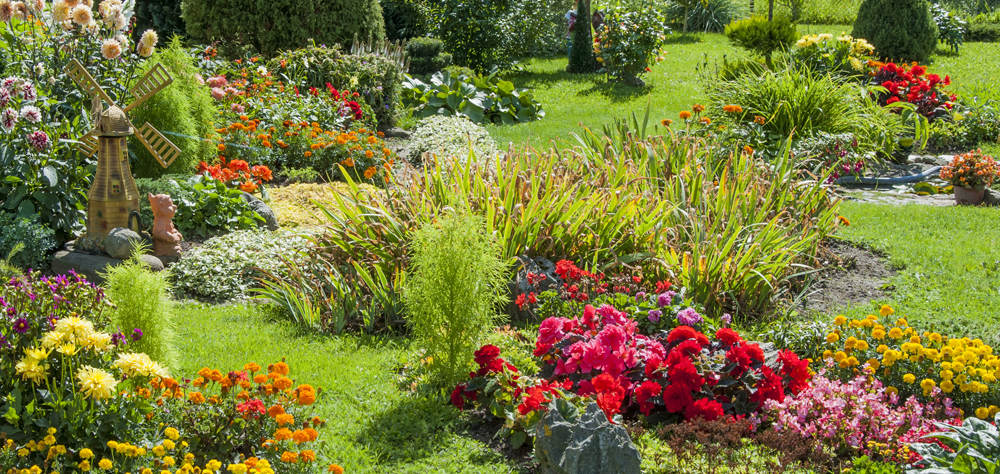
From ground cover to trees for your paradise. We at Sekhon and Sons carry more than 4500 varieties of high quality trees, shurbs and perennials and more from accross the pacific greenbelt. Sekhon and Sons, will help you create a landscape that is truly unique
Find A Plant Request quote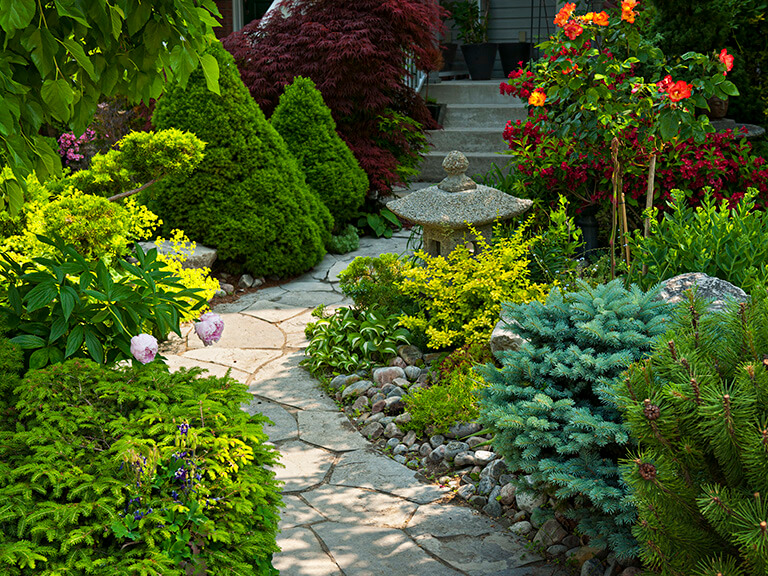
A Team As Diverse As the Plants We Grow
We rely on sourcing specific plants from over 50 nurseries/growers from across Canada and the U.S to add to our own inventory. Our nursery is a proud example of Canada’s cultural diversity.
Find A Plant Request quote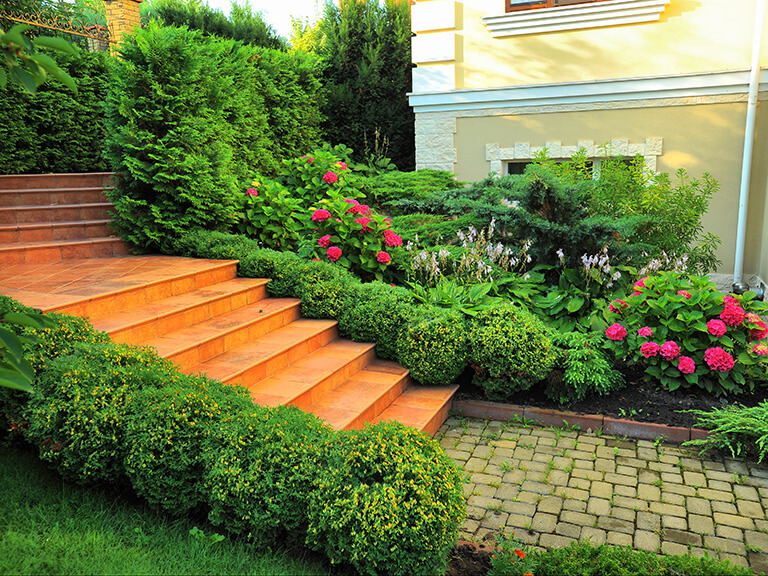
Inspired By Family Values
Our family run operation hand raises plants, so they can be grown into vigorous plants for your landscape.
Find A Plant Request quote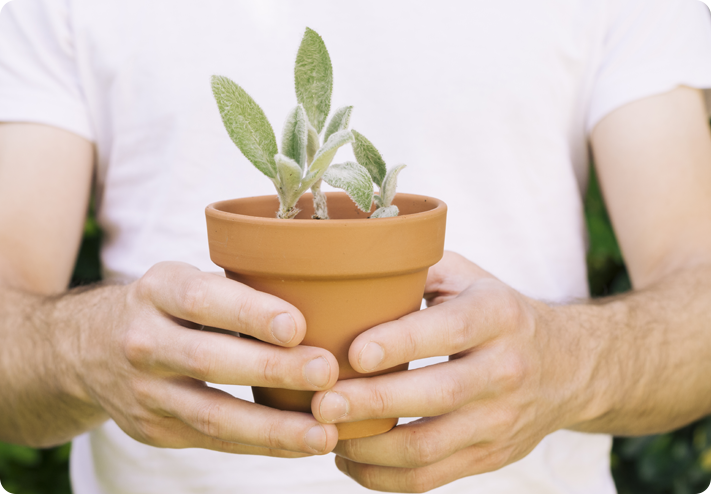
WHY CHOOSE US
Client Testimonials
What our client says
Blue Pine Enterprises have had the pleasure of working closely with Sekhon Nurseries Over the years. They have shown great professionalism in the timely return of quotation requests, and excellent quality of supplied material, and have always found ways to accommodate the constantly changing conditions we experience in the field on a daily basis. All the requirements of the Landscape architect we deal with are met in a timely manner and the submittal/approval process is always smooth. We hope to continue this positive working relationship for years to come.
Jordie Davies
Blue Pine Enterprises LTD.
It is our pleasure to thank you for the many years of stellar service we have received from you, during the Piroche years and now with Sekhon. Your knowledge of plants and your ability to fulfill whatever order we request, no matter how small or large, has enabled us to run our landscaping business with the confidence that comes from knowing we can provide our clients with what they require, on time and at a fair price. This is the reason that we have been doing business with you for decades and have every expectation to continue doing so into the future.
Calvin Veenstra
VEENSTRA CONSULTING.
Sekhon has excellent management, personalized service, rare and diverse species and cultivars, and good pricing.
Ross
VanDusen Botanical Garden Plant Sale.

About
Starting with the right idea
It all started with a simple idea—arrange a team of different skill sets from botanical experts to hand-raise some of the world’s finest and most remarkable landscape plants. Since then, we’ve grown our brand using Sekhon & Son's state-of-the-art practices and a philosophy of continuous progress to capture the hearts of customers looking for top quality plants from Pitt Meadows to west coast of Vancouver island
Find A PlantFrom start to finish
From meticulous propagation to timely delivery, we do it all. Select your favourite plants and let us bring you a hand-raised, quality-checked landscape that’ll dazzle everyone who sees it.